
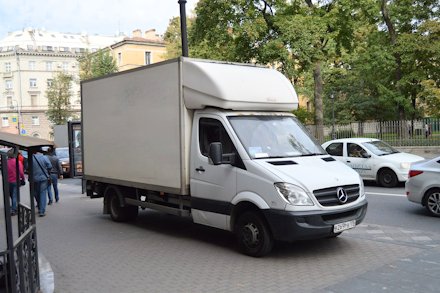
In a world where speed and reliability have become essential, express transport stands out as a strategic link in modern logistics. Whether the job is sending urgent documents, delivering goods abroad or answering a last-minute need, companies need services that combine speed, security and flexibility.
This article sets out a clear view of express transport: its principles, its benefits, the players involved and, above all, the criteria that matter when choosing a provider.
What is express transport?
Express transport covers every delivery service that guarantees parcels or documents will arrive within a very short time, often a few hours or under twenty-four hours. Ordinary transport may favour economy over speed; express transport puts speed at the heart of its promise.
It addresses two audiences:
- companies, for their professional needs;
- private individuals, for urgent or sensitive shipments.
Why express transport has become essential
An increasingly connected world
With the rise of e-commerce and globalisation, customers expect their orders ever faster. Delivery time has become a decisive criterion when choosing a supplier.
Handling emergencies
In many sectors such as healthcare, industry, law or events, certain deliveries simply cannot wait. Express transport avoids financial or operational losses.
Brand image
A company that delivers quickly inspires confidence and keeps its customers. A delay, on the other hand, can damage a reputation for a long time.
The benefits of express transport
- Time saved: your customers or partners receive their goods without delay.
- Stronger security: real-time tracking, full traceability, delivery guarantees.
- Flexibility: rounds and schedules can be adapted to your needs.
- Fewer losses: less stock tied up, better flow management.
- Customer satisfaction: speed and reliability read as professionalism.
The different types of express transport
National express transport
Covers urgent shipments inside one country, generally delivered in under twenty-four hours.
International express transport
Moves parcels anywhere in the world in record time, usually through a multimodal network of aircraft, road and logistics hubs.
Urban or regional express transport
The natural answer for short-distance deliveries, particularly in large cities, with cycle couriers, scooters and light vans.
Specialised express transport
Fitted to specific sectors: medical, food, spare parts, legal documents. These shipments often call for particular handling such as a cold chain or secured transport.
The players in express transport
The sector brings together several categories of operator:
- Large international groups, with worldwide networks covering hundreds of countries.
- National and regional carriers, closer to local needs and often more flexible.
- Urban couriers, specialised in city-centre delivery with suitable vehicles.
- Specialised providers, for particular sectors such as healthcare, aerospace or luxury goods.
Express transport and logistics, a strategic pair
Express transport goes beyond a simple delivery. It belongs fully to an overall logistics strategy.
- Stock management: less storage, more just-in-time flow.
- Supply chain: the means to respond quickly when something unexpected happens.
- Cost control: an express shipment can prevent a costly production stoppage.
How to choose an express transport provider
Actual delivery speed
A good express carrier keeps to its committed times, including in periods of heavy demand.
Geographical coverage
Your provider must be able to deliver wherever your customers are, locally or internationally.
Tracking and traceability
A real-time tracking system is essential to reassure your customers and to plan your own operations.
Reliability and security
Sensitive documents, fragile products or valuable goods all call for solid guarantees from the carrier.
Flexibility and tailoring
Every company has different needs. A good provider can shape its offer around your timing and logistics constraints.
Value for money
Cost matters, but it has to be weighed against service quality and against the savings that speed makes possible.
The sectors that use express transport most
- Health and pharmaceuticals: urgent shipments of medicines, samples or medical equipment.
- Industry: fast delivery of spare parts to avoid production stoppages.
- Legal: secure transmission of official documents.
- Fashion and luxury: fast shipments for demanding customers.
- E-commerce: express delivery to improve the customer experience.
National against international
National express transport
- Lead time: a few hours to twenty-four hours.
- Means: road, light vans, couriers.
- Benefits: flexibility, proximity, competitive pricing.
International express transport
- Lead time: twenty-four to seventy-two hours depending on destination.
- Means: multimodal, combining aircraft, trucks and hubs.
- Benefits: worldwide reach, reliable networks.
Innovation in express transport
The sector is in full transformation:
- Digitalisation: mobile applications to follow deliveries in real time.
- Environment: electric vehicles, cargo bikes, route optimisation to cut the carbon footprint.
- Automation: delivery drones, connected lockers, software forecasting of flows.
- Personalisation: delivery by appointment, precise time slots.
Bringing express transport into your company
- Assess your needs: volumes, frequencies, destinations.
- Select the right provider, according to your constraints.
- Negotiate a suitable contract: lead times, rates, additional services.
- Train your teams, to streamline internal processes.
- Analyse performance: on-time delivery rate, customer satisfaction.
Mistakes worth avoiding
- Failing to compare offers.
- Looking only at price.
- Overlooking traceability.
- Choosing a provider without checking its reliability.
- Leaving express transport outside the overall company strategy.
Express transport and sustainability
The current challenge is to reconcile speed with respect for the environment.
- Use of clean vehicles.
- Route optimisation to reduce emissions.
- Pooling of shipments to limit journeys.
A growing number of express operators invest in greener solutions to meet rising demand for sustainable delivery.
Express transport is much more than a fast delivery service: it is a strategic lever for companies that intend to stay competitive and meet their customers' expectations.
By choosing the right provider, integrating these solutions into your supply chain and taking account of technological change, you gain in responsiveness, in efficiency and in customer satisfaction.